In a circular economy or industry, materials aren’t wasted. Instead, the emphasis is on regeneration and keeping items in circulation for as long as possible. This model of consumption and production, aimed at extending products’ lifecycles, also includes:
- Leasing
- Reusing
- Repairs
- Recycling
- Refurbishing
- Sharing
- Sustainable design – it’s estimated that the design phase determines more than 80% of a product’s environmental impact
Circular industry marks a departure from the standard ‘linear’ idea, which follows a model based on consumption and then discarding. This depends on large amounts of freely available, low-cost materials and energy which can be accessed easily.
Another key aspect of this model is what is known as ‘planned obsolescence’ – in which something is designed with a deliberately limited lifespan so that people are forced to purchase it again quite quickly.
Finally, a key aspect of a circular economy is tackling excessive packing and making designs better to encourage recycling and reuse.
What are the benefits?
- Environmental protection
A circular model slows down the rate at which we consume natural resource and disrupt habitats, ultimately helping to limit biodiversity loss. At the same time, circular models reduce total yearly greenhouse gas emissions. According to the European Environment Agency, industrial processes and product use cause nearly a tenth of these emissions across the EU.
- Less dependence on raw materials
The global population is growing, yet the supply of vital raw materials is not infinite. Recycling goes a long way to helping. Equally, it reduces other risks, including availability, import dependency and price volatility.
- Job creation and a better deal for consumers
In a circular economy, consumers enjoy longer-lasting, more innovative products and can end up paying less in the long run. This model also enhances competitiveness and innovation plus economic growth while potentially creating more jobs.
Why recycling e-waste really matters
As part of a circular economy, electronic or e-waste is disposed of properly. Otherwise, toxins such as mercury and lead can get into the air, ground and water, and even enter the food chain. E-waste also creates methane emissions, which trap heat in the atmosphere at a far greater rate than even carbon dioxide, thus exacerbating the greenhouse effect and contributing to global warming.
But if you make the positive decision to recycle and reuse electronic devices, or buy reconditioned items, you will be doing your wallet and the planet a big favour. And, remember, you don’t even have to recycle a whole device. Spare parts should also be kept out of landfill as part of a circular economy.
Sending electrical items – talk to AirPack Systems
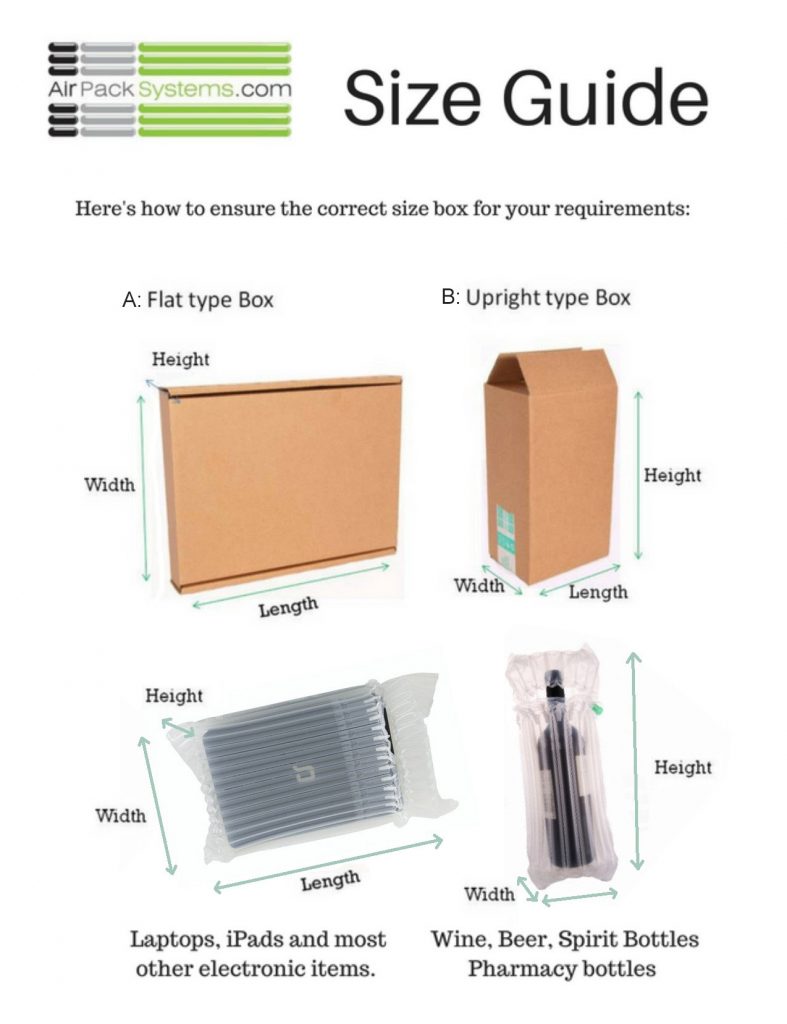
If you buy or sell electrical parts, you’ll already know that these can be pretty fragile. No one wants the hassle or expense of having to send out replacements in a second delivery, quite apart from second shipments also being environmentally disastrous.
Getting packaging right in the first place has a key role to play in ensuring safe first-time deliveries. We make our own packaging solutions for keeping delicate items safe, made in our own factory and with custom designs available, not to mention free delivery when you spend £125 or more.
Give us a call to learn more – or take a look on the website to see what we offer.